Railroad
Industry
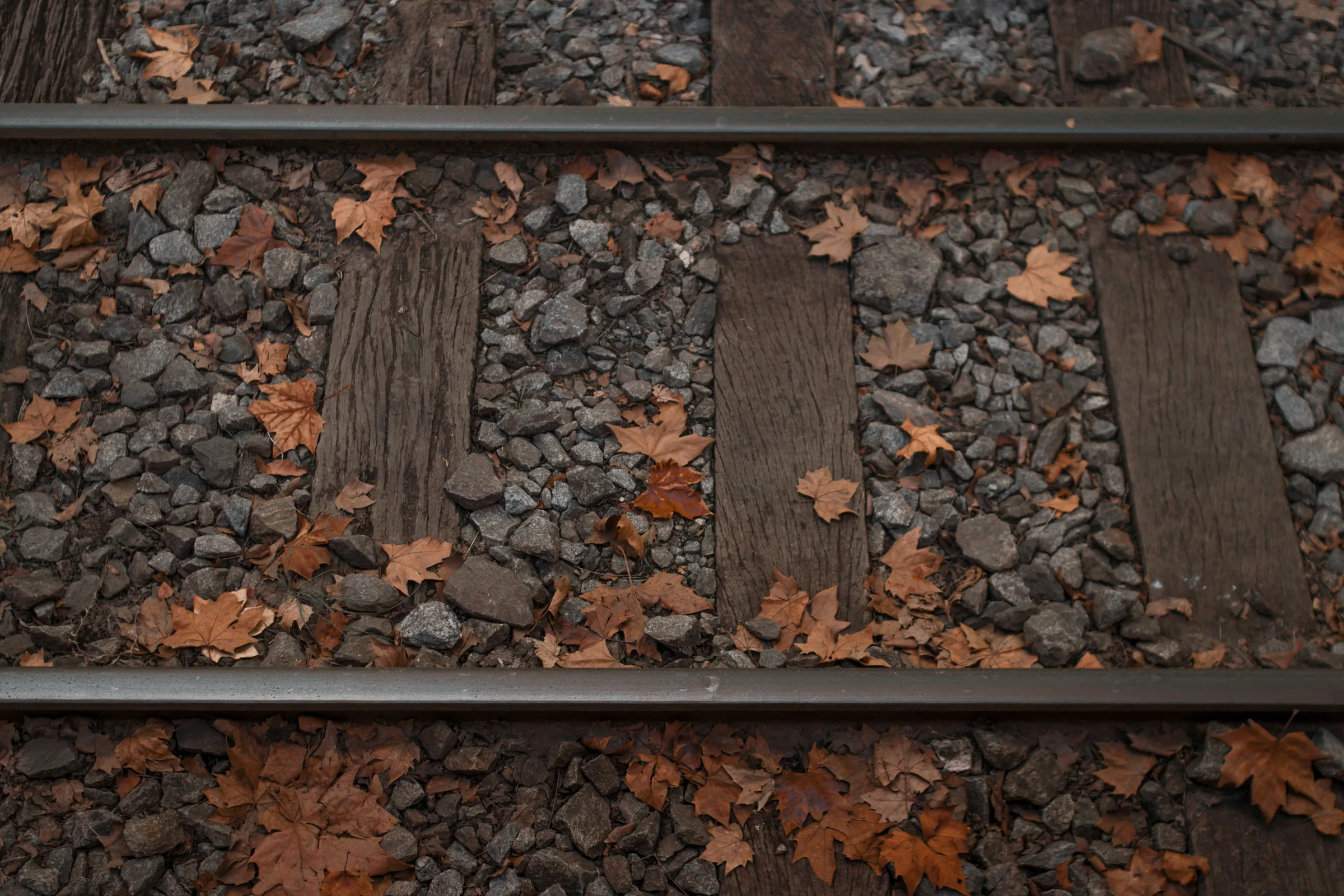
Rail corridors still lack continuous terrain visibility. Rockfalls, embankment failures, and washouts often develop between inspections, and today's monitoring is mostly periodic hi-rail runs, manual checks, and isolated instruments; so hazards are typically detected only after movement begins. The result is slow orders, service interruptions, safety exposure, and reactive remediation costs.
Structural Monitoring
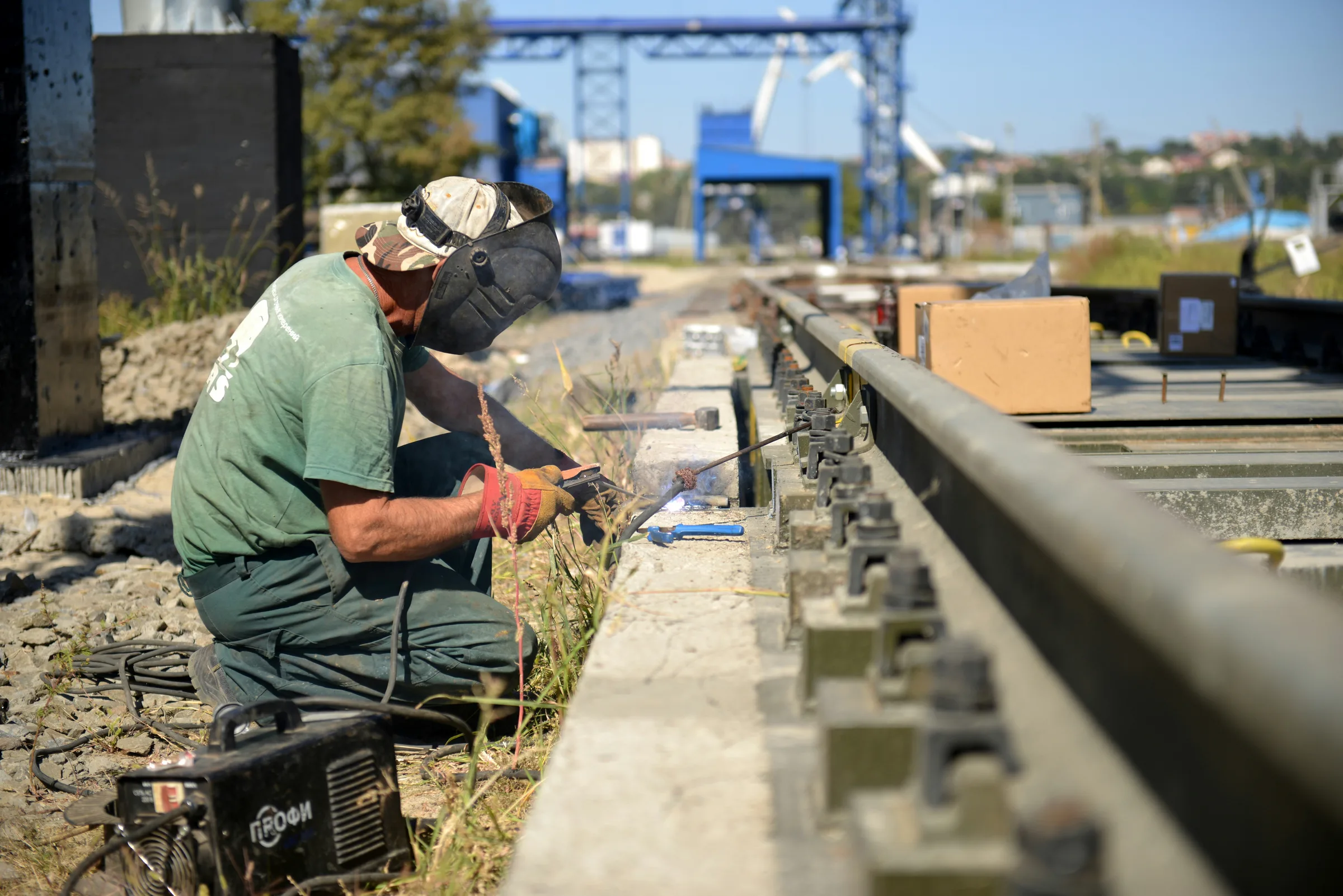
Track geometry shifts as the ground beneath it settles, heaves, and erodes. Continuous 3D monitoring watches embankments, cuts, and ballast along the corridor, catching subsidence and slope movement at millimeter scale before it ever reaches the rail. Alerts arrive with the location, magnitude, and movement history attached, tied to the mileposts your crews already use.
Predictive Maintenance
Movement history turns track work into a schedule instead of an emergency. Trend data shows which embankments, culverts, and cut slopes are deteriorating and how fast, so tamping, drainage, and stabilization are planned around traffic windows rather than forced by a slow order. Decisions rest on measurement, not on worst-case assumptions.
Corridor Change Detection
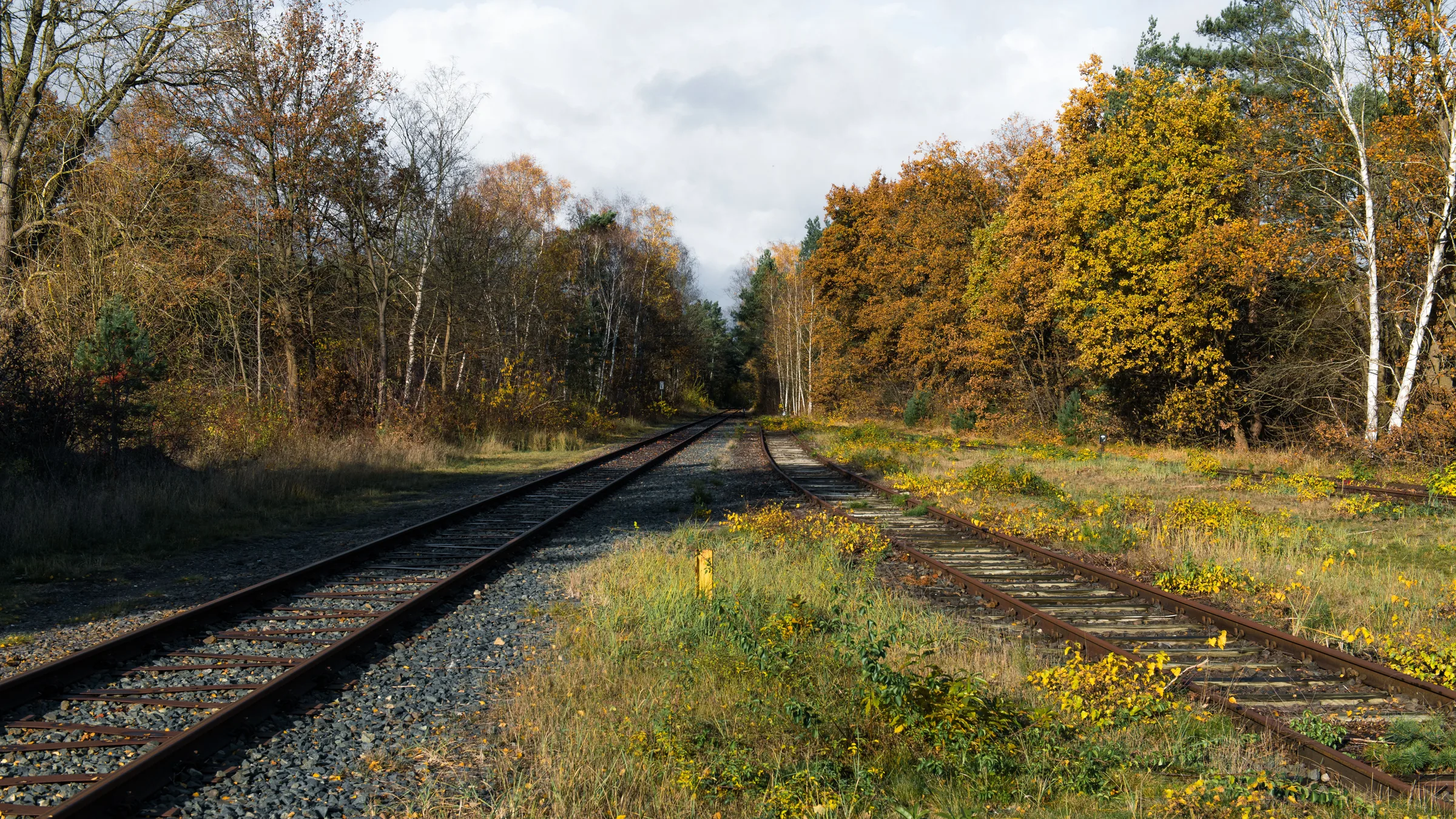
Every storm, freeze-thaw cycle, and season reshapes the right-of-way. Automated comparisons of successive 3D models surface what actually changed within hours: fresh rockfall on the ballast, slumping cut slopes, washed-out shoulders, encroaching debris. Results land as GIS-ready risk layers tied to mileposts and assets, so nothing depends on a hi-rail inspection spotting it first.